
BLOG
Countdown to Kindergarten: Eight Weeks in the Books

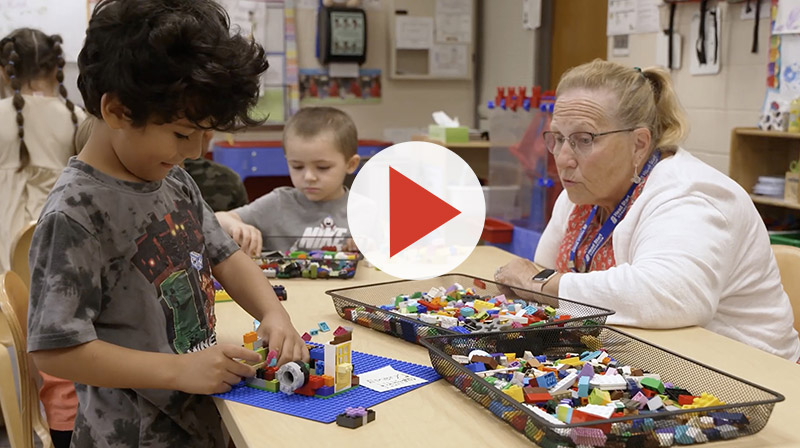
This summer, 300 children came through Countdown to Kindergarten. Our team is still doing the careful work of assessing what those eight weeks gave them, and the full results will take time to gather. But here’s what we already know without waiting on the data: eight weeks matter. In the coming days, these children will walk into kindergarten classrooms a little more ready, a little more confident, and a little more excited to learn. That’s worth celebrating now. None of this happens without partners who show up. Thank you to:
- Elkhart & St. Joseph County Head Start Consortium
- Boys & Girls Club of Elkhart County
- Cultivate Food Rescue
- CAPS & Maple City
- Penn Harris Madison School District
- Elkhart Community Schools
- Goshen Community Schools
- Wa-Nee Community Schools
- Baugo Community Schools
- Concord Community Schools
- McMillan Dental
This program is only as strong as the people who carry it. WNIT spent time with us this summer and put together a short feature on Countdown to Kindergarten. Take a few minutes to watch it:
Save the Date: November Coalition Summit
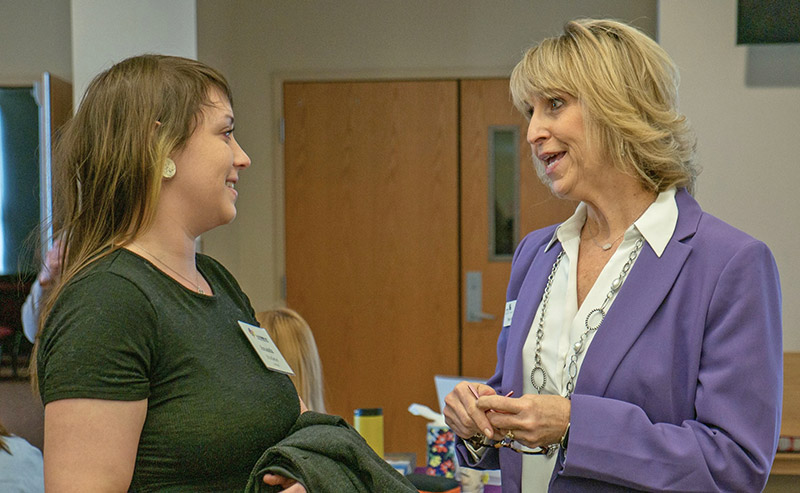
Mark your calendar for Tuesday, November 10, from 8:30 a.m. to 3 p.m. at Goshen College Fellowship Hall. Breakfast and lunch are included, and it’s shaping up to be a full day.
- In the morning, we’ll celebrate what this coalition has built together: the Health System Alignment team’s work removing barriers to prenatal care, Countdown to Kindergarten, Hunger Ends Here, and a partner panel, followed by lunch together.
- In the afternoon, we turn to what’s next: a presentation on the State of Child Care in Elkhart County, followed by breakout sessions on storytelling and on child care.
REGISTER NOW TO SAVE YOUR SPOT »
Thank You, Jaden
This summer, our intern Jaden Fear spent her time strengthening Findhelp, adding partners and making it easier for families across Elkhart County to find the services they need. Friday, August 7 was her last day with us, and we want to send her off with a proper thank-you.
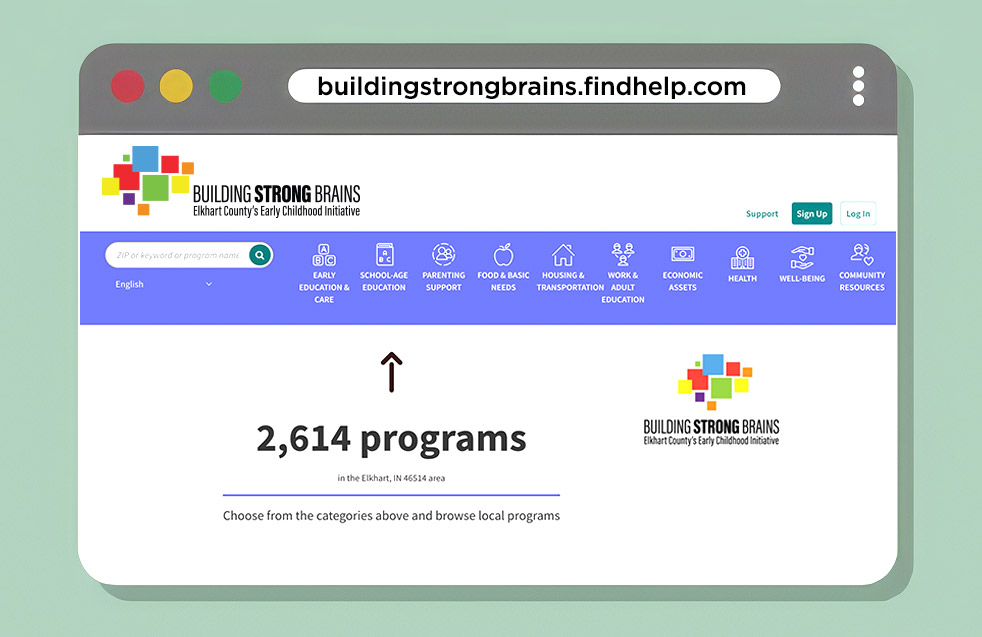
If your organization isn’t on Findhelp yet, now’s a good time to join. Jaden spent her summer making the platform stronger so that partners like you can be found by the families who need you:
JOIN FINDHELP »
What Families Are Telling Us, and What We Owe Them in Return
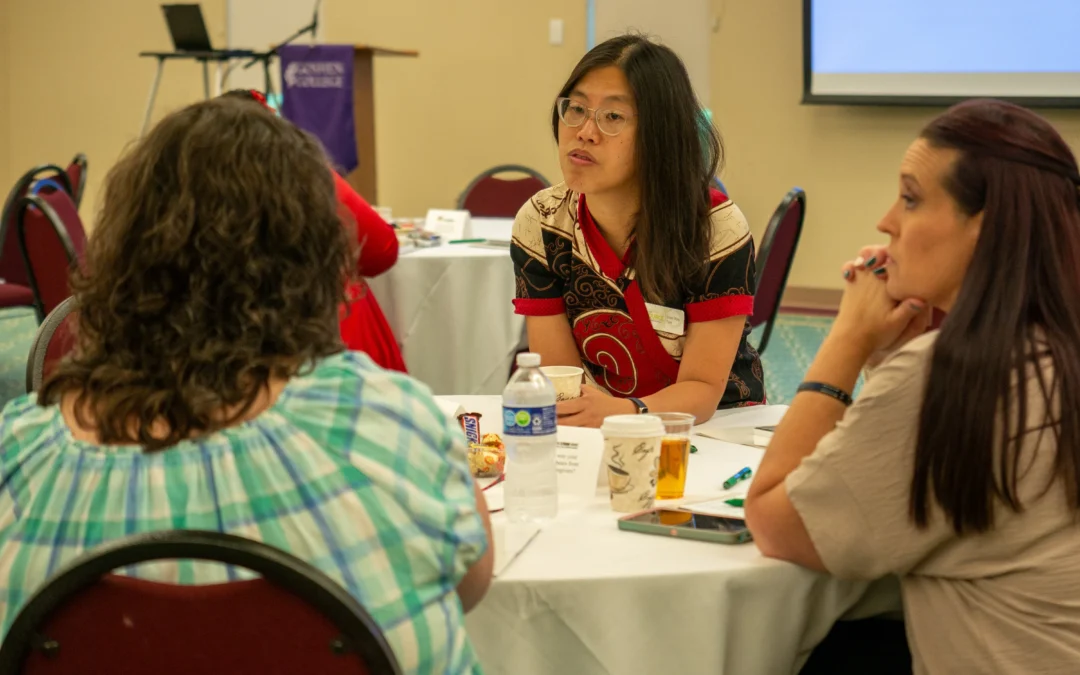
At the June 9 Building Strong Brains convening, Shin Yee Tan stood before about 80 coalition partners and asked a simple question: whose voices are actually in the room?
The answer was honest. Not all of them.
Shin YeeTan, manager at The SOURCE and a longtime contributor to the coalition’s family voice work, walked the group through years of intentional effort to hear from parents who don’t typically attend gatherings like this one. Parents who identify as immigrants. Amish families. Latine parents. Black parents. The conversations took place one-on-one, in homes and community spaces, with the goal of learning what school readiness looks like from families’ actual standpoints.
That work has been in the making for a while. In 2021, Building Strong Brains held parent listening sessions that shaped the coalition’s three action teams. Since then, focus groups about what was then called Kindergarten Boot Camp, now Countdown to Kindergarten, have generated enormous gratitude from families and at least one request that stuck: a parent who said she wished there were a place to get her child ready for school without having to worry about income. This summer’s Countdown to Kindergarten program is a direct response to that.
Community Resource Navigators, now celebrating their first year, took things a step further. Rather than simply surveying families, they documented what they saw through photography, capturing images of barriers, of hope, of what the pressure of systems looks like on a family’s daily life. Those photos and captions are now in the hands of coalition partners, as Shin Yee called them “a precious gift.”
At the convening, partners were given a sample of those family voice materials and asked to sit with them, discuss them at their tables, and name themes. The word cloud that emerged put hope and engagement at the center, followed by access and community, and then a harder set of words: barriers to care, isolation, fear of asking for help, and misunderstanding of needs.
One partner described what happens when agencies don’t communicate well enough: families go from door to door, hit dead ends, and sometimes receive conflicting information that leaves them feeling hopeless. Another said that what families need most is to feel like what they say actually matters, and that trust builds when people sense they are genuinely heard.
The group was then asked to name one concrete change they would like Building Strong Brains to make to better center the family voice. The ideas that came back were substantive. A family advisory council with real decision-making power. Parent representation on every action team and committee. Family forums are spread across the community so that families have places to speak in their own neighborhoods. One participant pushed back carefully on the risk of tokenism: having families on committees is not the same as letting their priorities drive the agenda.
Lindsay Aguilar acknowledged that family voice is not a new challenge, and that many partners at the table have been working on it for years. The coalition’s role, she said, is to ask what it would take to strengthen what already exists, to bring capacity and resources to those efforts, and to carry what families are saying back into action team decision-making.
That question of what families are carrying is not abstract. It’s in the photos the community resource navigators took, in the quotes collected from parent panels, in a small booklet on kindergarten readiness that went through family review before it was printed. It is being treated, as Shin Yee asked, as a gift.
The next step for Building Strong Brains on family voice is still taking shape. More to come.
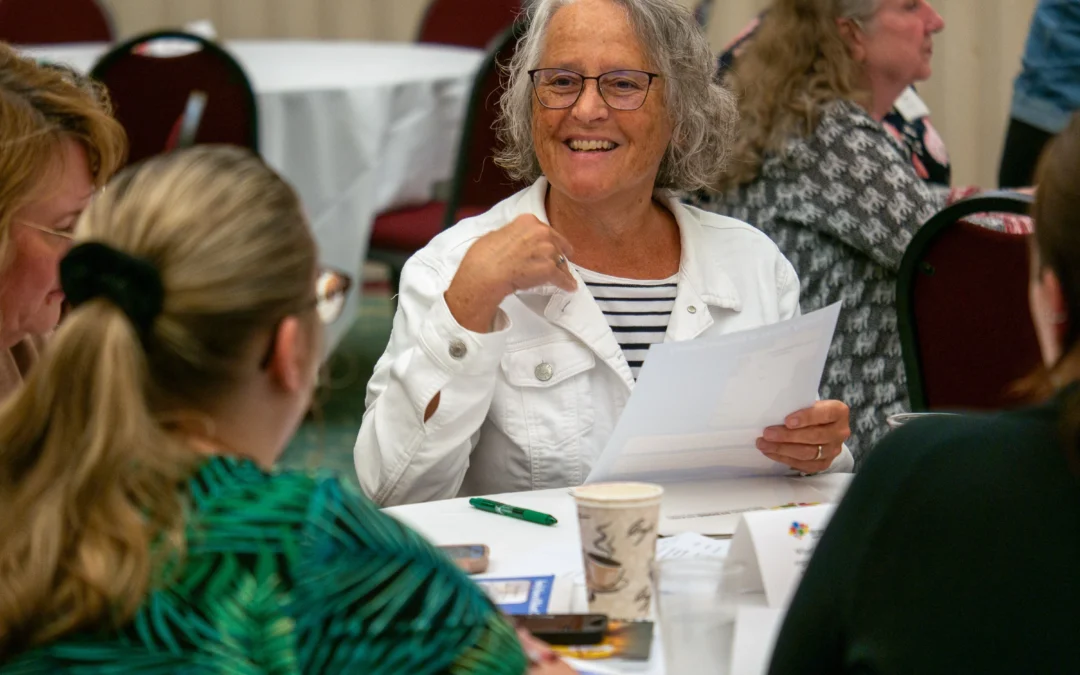
June Convening Brings Coalition Together Around Shared Purpose
About 80 people gathered at Goshen College on June 9 for the latest Building Strong Brains convening, spending a morning together that covered a lot of ground and left the room with much to think about.
Coalition Director Lindsay Aguilar opened by grounding the work in something real. She asked the group to think about mothers in Elkhart County praying for healthy pregnancies, parents hoping their child walks into kindergarten ready to learn, and families searching for affordable, trusted child care. “You are the answer to someone else’s prayers,” she said, borrowing words from Dr. Carolyn Wu that she’d been carrying for years. It was a fitting frame for a morning full of examples of what happens when people and organizations work toward something bigger than any one of them.
The Elkhart County Health Department’s Healthy Babies program was the first to share. Aaron Hipsher and David Wiegner walked the group through the numbers and the people behind them. In 2025, Healthy Babies served 315 births and 422 enrollments. In the months since receiving grant support from the Community Foundation through the Lilly Endowment, the share of clients enrolled in their first trimester of pregnancy climbed from 51% to 71%. The program’s bilingual team of five works out of the WIC office on Hudson Street, meeting families where they are across prenatal care, Medicaid enrollment, safe sleep education, and connection to mental health and addiction services.
Dr. Kathy Guajardo brought the room to life, talking about Countdown to Kindergarten, a program launched on May 26 with the goal of reaching 500 children this summer who lack a preschool experience. What started last summer as a two-school pilot serving 57 children grew into something much more complex this year, requiring partners to solve for transportation, child care, food, health screenings, and special education services. Every one of those challenges found a solution through a partnership. Six school corporations are transporting children. The Boys and Girls Club is providing afternoon child care. Penn-Harris-Madison schools are crossing the county line to serve breakfast and lunch. Cultivate Food Rescue is handling snacks and weekend meals. A mobile medical unit from Maple City Health and CAPS is handling immunizations and physicals. The Elkhart County Special Education Cooperative is supporting children with IEPs. Dr. Kathy called it nine active partners, ten if you count the parents.
Shin Yee Tan led the group through a family voice session that asked hard questions about whose voices are actually centered in this work and what it would take to center them more fully. More on that in a separate post.
Action teams then offered brief updates: the Maternal and Child Health team is focused on safe sleep and tracking pediatric well-visit rates. Community Supports is finalizing a map of indoor play spaces by zip code and developing a trauma-informed community strategy. The Quality Early Learning Environments and Child Care team reported on its child care leadership council, which formed in January. The Data Support team shared that a second round of Visible Networks Lab surveys is being analyzed.
The convening closed with a partner spotlight, a new feature that will appear at each gathering. Nicole from the Elkhart Family Resource Center, operated by Geminus, introduced the center’s work in a stigma-free, walk-in space that offers everything from parenting education and story time to food, hygiene supplies, and connections to legal help and financial education. “Everything is free at our center,” she said simply.
Brian Replogle, assistant coalition director, closed by asking everyone to name one thing they would do in the next 30 days to advance the well-being of young children and their caregivers. It’s the kind of question this coalition takes seriously.
The next Building Strong Brains summit is set for Nov. 10 at Goshen College.
Lindsay Aguilar Is The New Building Strong Brains Coalition Director
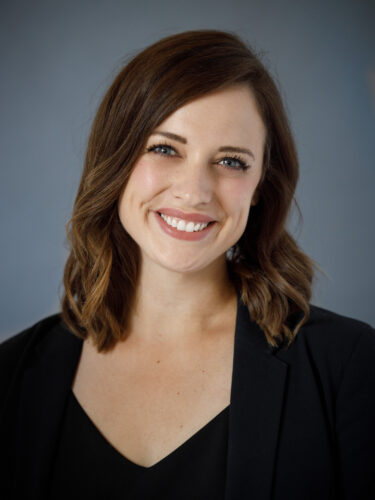 Building Strong Brains is pleased to welcome Lindsay Aguilar as our next Coalition Director.
Over the past several years, Building Strong Brains has grown into a connected, action-focused effort across Elkhart County. Partners in early learning, health care, nonprofits, business, and local government are working toward the same goal: helping children be born to thrive and be ready to learn when they arrive at kindergarten.
Andy Murray, Chief Strategic Initiatives Officer for the Community Foundation of Elkhart County, said, “The work in Elkhart County has built significant momentum under Kim Boynton’s leadership, creating a strong foundation of funding and community support. We believe Lindsay is exactly the right leader to guide this next phase. Her deep connectedness in Elkhart County, her strategic thinking, and her ability to execute align closely with our goal of broadening the impact of this work.”
Lindsay brings a strong blend of community foundation leadership and experience with programs that support children and families. Most recently, she served for nearly a decade with the Sturgis Area Community Foundation in St. Joseph County, Michigan, including as chief executive officer. During her time in Sturgis, she helped lead community initiatives with an early childhood focus.
“What excites me most about this role is the opportunity to build something systemic. Experience has taught me that real community change happens through meaningful and intentional collaboration,” said Aguilar. “Building Strong Brains isn’t about any single organization. It’s about aligning our entire community to support our youngest children in extraordinary ways. I couldn’t be more energized to join this effort.”
Many local partners will also recognize Lindsay from her earlier years at the Boys & Girls Clubs of Elkhart County, where she held several roles supporting operations, fundraising, and community engagement.
Pete McCown, president of the Community Foundation of Elkhart County, highlighted both Lindsay’s leadership experience and her long-standing ties to this community:
“Lindsay is a gem and a familiar friend of the Community Foundation of Elkhart County. Lindsay and her husband, Adrian, have a long history with the Community Foundation. Adrian served on the Career Pathways Committee for more than ten years and remains a close friend. Lindsay has a passion for early childhood challenges and led an early childhood initiative in Sturgis. She will join the Community Foundation officially on March 2, but is beginning her work now.”
In the coming months, Lindsay will be reaching out to Building Strong Brains partners to listen, learn, and support the work already underway. She will help strengthen coordination across teams, stay focused on shared priorities, and keep families at the center of the coalition’s work.
Please join us in welcoming Lindsay to Building Strong Brains.
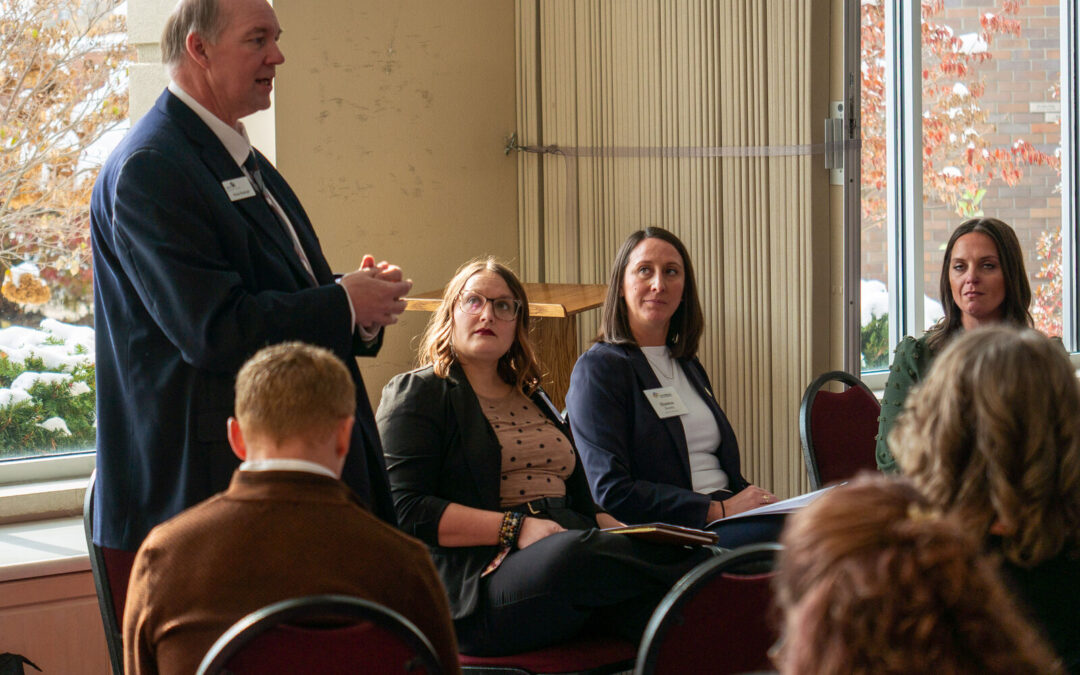
What Does a Family-Friendly Workplace Look Like in Elkhart County?
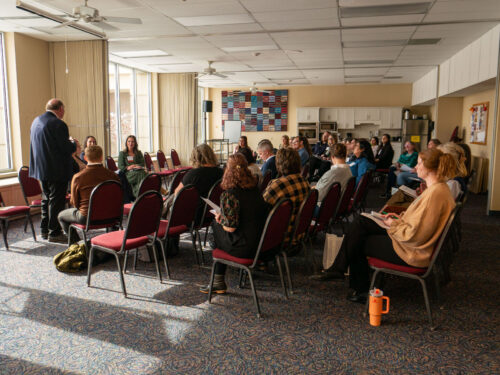
At the Building Strong Brains summit on November 11, about 40 people crowded into a breakout room to discuss something that often remains in the background: the intersection of work and family life in Elkhart County.
The “Family Friendly Workplaces” session, moderated by Brian Replogle from Building Strong Brains and the Community Foundation of Elkhart County, brought together HR leaders from Lippert and Interra Credit Union, business owners, city and chamber staff, nonprofit leaders, and parents. For many in the room, it was the first time they had sat down across sectors to ask a basic question: what does a family-friendly workplace actually look like here?
Starting with safety instead of fear
One of the first comments named something that many feel but rarely say out loud. In a family-friendly workplace, employees do not spend their days in fear.
- They are not afraid of losing points or being fired if they leave early to pick up a sick child.
- They are not afraid to ask for time to pump breast milk.
- They are not afraid to say, “I need an hour to deal with a family situation,” and be honest about why.
People acknowledged how hard this is, especially in factories and other places where work stops if a person is not at their station. The tension is real. At the same time, the cost of ignoring family pressures is also real. Stress, burnout, health issues, and turnover are costly for employers and distressing for families.
HR leaders in the room described training managers in emotional intelligence, psychological safety, and Mental Health First Aid so they can notice when someone is struggling and connect them to support. When managers are equipped to see people as whole human beings, it improves culture and stability at work and at home.
Why paid leave matters for children
Paid parental leave came up quickly. Participants shared examples of policies that include mothers, fathers, and adoptive parents, and that let parents share time off in ways that work for their family.
Those months before a child ever steps into a preschool classroom are exactly what we talk about in the HOPE Framework and in Building Strong Brains. How we structure leave policies is already shaping a child’s development long before kindergarten.
The childcare math that families face
 Parents shared that they pay around $250 a week or more per child. That competes directly with rent, food, and medical bills. On top of that, Elkhart County has only a fraction of the childcare seats we need, so many families face long waitlists or long drives to centers across town.
Participants named a few directions that might help, including deeper partnerships between employers and childcare centers, reserved or subsidized seats for employees, and cost sharing models where employers, families, and philanthropic or public dollars each carry part of the bill. For parents, that can mean the difference between an impossible weekly payment and something they can manage.
Other Indiana communities are already experimenting with these ideas. Our task now is to learn from them and discover what fits the realities of Elkhart County’s employers and workforce.
Policies that people can actually use
Several stories made it clear that benefits only matter when people know about them and feel free to use them.
One father of a child with significant disabilities described juggling surgeries and therapy appointments for 15 years before anyone mentioned that he was eligible for intermittent FMLA. When he finally learned about it, it changed his stress level and his ability to keep working.
On the other hand, Interra Credit Union described how they created comfortable mother’s rooms at each location and trained managers to support parents who use them. The results have been happier parents, better reliability, and strong loyalty to the organization.
Again and again, people returned to the same theme. Employees need clear information on short term disability, leave options, counseling and financial help, and they need a workplace culture that encourages them to ask questions without fear.
Family can mean many things
Participants reminded each other that family is not limited to young children. People are also caring for aging parents, adult children with disabilities, and relatives across generations, sometimes all at once. A family friendly workplace recognizes that employees may be responsible for babies, teens, grandparents, siblings, or others who depend on them, and that those needs change over time.
What comes next
No one left the breakout with a perfect definition of a family friendly workplace, but there was clear agreement that it is work we need to do together. For Building Strong Brains, this ties directly to our vision that children in Elkhart County are born to thrive and ready for kindergarten, which depends on adults having workplaces that support family life. If you are an employer, HR leader, parent, caregiver, or community partner, we would be glad to connect and keep this conversation moving.
To join the conversation, contact Brian Replogle, brianr@inspiringgood.org, or Patty Rose, patty@inspiringgood.org.
A Deep Dive into Hope: The HOPE Framework with Jessica Herzog-Hall, MSW
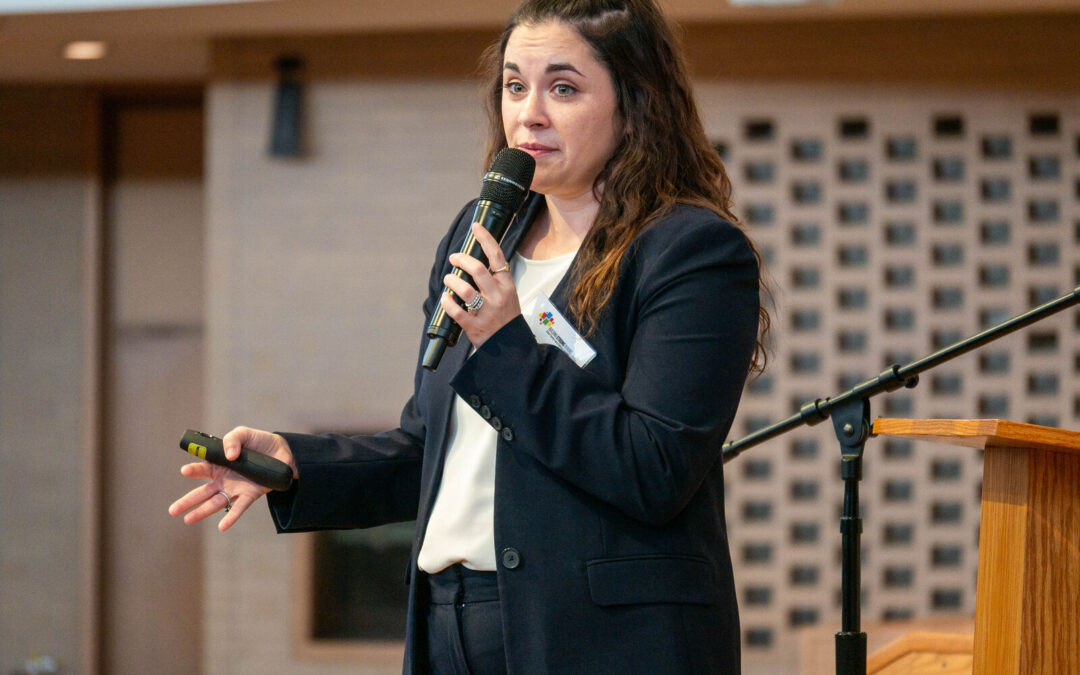
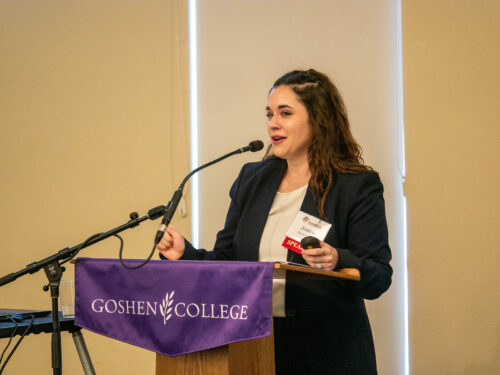
A keynote from Jessica Herzog-Hall at the 2025 Building Strong Brains Summit explored how the HOPE Framework and Positive Childhood Experiences support resilience in children and families. Here’s what she shared—and how Elkhart County can apply these tools.
Introducing Jessica Herzog-Hall
Jessica Herzog-Hall is a trauma-informed educator focused on resilience and healing. She holds a master’s degree in social work from Indiana University and a graduate certificate in applied educational neuroscience from Butler University. She previously led the ACEs Indiana Coalition and now serves as chief executive officer of Together We Flourish LLC, helping communities strengthen well-being through Positive Childhood Experiences (PCEs) and the HOPE (Healthy Outcomes from Positive Experiences) Framework. On November 11, 2025, at the Building Strong Brains Summit at Goshen College, she led a keynote and workshop that offered clear, practical guidance for supporting children and families.
Imagining a World Anchored in Positive Experiences
Jessica encouraged the audience to imagine a community where positive experiences are recognized as essential to health. When schools, clinics, and service providers focus on strengths—alongside challenges—they build trust with families and support children in meaningful ways.
The Science Behind Positive Childhood Experiences (PCEs)
Jessica highlighted research showing how PCEs influence lifelong health. A 2015 Wisconsin study added seven PCE questions to the ACEs survey, asking whether individuals:
- Could talk to a family member about feelings
- Felt their family stood by them
- Enjoyed community traditions
- Felt belonging in high school
- Felt supported by friends
- Had two or more nonparent adults who cared
- Felt safe at home
Mental health outcomes rose with each additional PCE:
- 0–2 PCEs: 51% reported good mental health
- 3–5 PCEs: 75%
- 6–7 PCEs: 87%
Higher PCEs were also connected to better physical health, stronger employment outcomes, and reduced negative effects of adversity.
The Four Building Blocks of HOPE:
Relationships
Children grow in the presence of steady, caring adults. Strategies include:
- Being a consistent supporter
- Encouraging warm parent-child interactions
- Helping families identify mentors, teachers, or coaches
- Making space for moments of connection
- Modeling healthy regulation
Environment
Safe, stable, and equitable spaces help children feel secure. Examples include:
- Creating welcoming classrooms and programs
- Addressing bullying and encouraging “up-standers”
- Offering calming corners
- Ensuring representation of all families
- Connecting families with local resources
Engagement
Belonging fuels confidence and healthy development. Communities can support this by:
- Asking children about their interests and celebrating them
- Supporting involvement in after-school activities, clubs, or community centers
- Encouraging family volunteering or creative projects
- Connecting families with faith-based or community groups
Emotional Growth
Children need chances to practice emotional awareness and navigate conflict. Strategies include:
- Helping children name and understand feelings
- Allowing open-ended, child-led play
- Teaching respectful conflict resolution
- Practicing self-regulation and co-regulation
When the Brain Is Stressed: How Adults Can Help
Jessica explained how stress affects a child’s ability to reason. When overwhelmed, the brain shifts into survival mode and cannot access problem-solving skills. Instead of asking children to “calm down,” adults can support them by regulating themselves first. Helpful approaches include:
- Sitting at the child’s eye level
- Using a soft tone
- Modeling slow breathing
- Naming the emotion (“I see you’re upset”)
- Offering calm reassurance
These practices help children recover emotionally and learn through connection rather than correction.
Tools for Self-Regulation
Jessica shared simple strategies that support both immediate calming and long-term resilience:
- Breathing exercises
- Sensory grounding methods
- Mindfulness, meditation, or time in nature
- Movement such as dancing or yoga
- Anchoring objects or supportive people
- Sour candy or cool water to help reset the nervous system
The Resilience Tree: A Simple Metaphor
Jessica used the image of a tree to describe resilience. Children grow strong when their roots—connection, safety, understanding, and positive experiences—are nurtured. These roots help them weather difficulties throughout life.
Why This Matters for Elkhart County
The HOPE Framework strengthens Building Strong Brains’ ongoing work to support early childhood brain development. When caregivers, schools, health providers, and community organizations use these tools, children gain more of the experiences that help them grow and belong. In practice, this includes:
- Designing welcoming, inclusive spaces
- Strengthening relationships across programs and neighborhoods
- Creating meaningful opportunities for family engagement
- Supporting emotional learning and self-regulation
Together, these approaches help build a community where children can flourish.
Next Steps: Putting HOPE Into Daily Practice
Jessica encouraged participants to try simple, consistent steps:
- Identify supportive adults in each child’s life
- Review spaces to ensure families feel represented and welcomed
- Expand engagement opportunities for children and caregivers
- Make room for play, gratitude, and movement
- Practice adult self-regulation to strengthen co-regulation
In Closing
Jessica Herzog-Hall reminded us that hope is practiced—not wished for. Elkhart County’s Building Strong Brains coalition has already planted strong roots. With intention and partnership, we can continue building a community where every child has the experiences they need to thrive.
Supporting Parents in Elkhart County
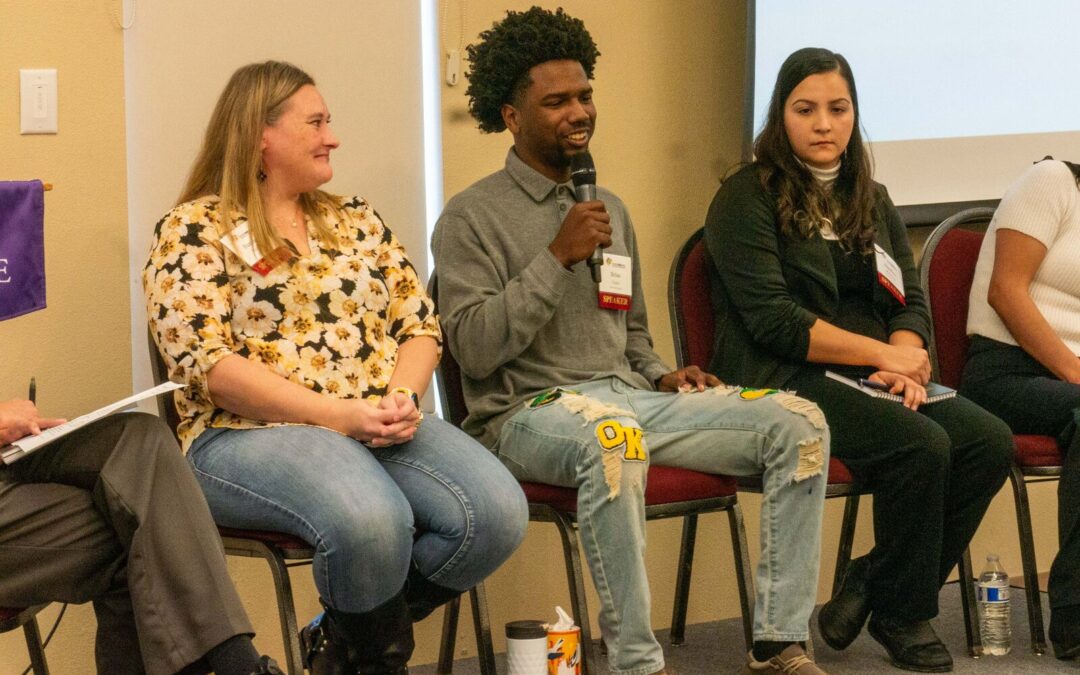
At the Building Strong Brains Annual Summit on November 11, eight parents took the stage and candidly discussed what it takes to raise children in Elkhart County today.
Moderated by Paul Shetler Fast, executive director of Maple City Health Care Center, the parent panel brought together families with very different stories—military and international backgrounds, longtime residents, and families who arrived in one hectic weekend, single parents and married couples, children with complex medical needs, and children waiting on evaluations.
What they shared was not neat or simple. It was real, layered, and full of both strain and hope.
The real challenges parents face
Summer described how she knew her daughter needed more time after preschool. When she asked for a chance to repeat kindergarten, she was told no.
“She just needed time and repetition,” she said.
After searching, she found a school willing to offer a transition year. The experience showed her that many children benefit from an intentional bridge between preschool and kindergarten—and that families often have to fight for it.
Starting over without a safety net
Brian discussed leaving the military as a single father and relocating to Indiana without knowing anyone.
“I didn’t know what I was going to do,” he said.
Within months, people from the community stepped in, remembered him from earlier events, and offered support that helped him and his daughter begin again.
Moving a family in a weekend
Josefina moved from Ohio to Elkhart with her children in a single weekend after a Friday job interview turned into a Monday start date.
“With no family here, just friends, I had to trust the process,” she said.
She now volunteers with nurturing care groups through CAPS to support other parents facing housing, financial, and mental health struggles.
Navigating medical and educational systems
For Erica, an immigrant parent, faced the challenge of a language barrier, however, the greatest challenge has been trying to move through both the health and education systems while facing long wait lists for autism evaluations and therapy.
“We’re helping our son learn English and Spanish,” she said. “And we’re learning how the systems work so we can support him.”
Grace, an international student who became pregnant during her junior year of nursing school, described the stress of navigating Medicaid enrollment, healthy pregnancy resources, and medical appointments.
“You have to know somebody to tell you where to start,” she said.
Sara shared the shock of learning that her newborn had a cleft palate, followed by sleep apnea and aspiration concerns. Maple City Health Care Center and specialists at Riley Hospital for Children guided her through each step.
The cost of parenting alone
Penelope spoke about the financial strain of single parenting without consistent child support.
“There are days when I’m up at night thinking, ‘How are you going to pay the next bill?’” she said.
Her background in finance helped her prepare for maternity leave, but childcare and legal costs continue to weigh heavily.
Wanting to work and wanting to be home
Katja, a nurse at Goshen Hospital, described the tension between wanting to be at home with her baby and wanting to continue her career.
“I want to do it all,” she said. “But the system doesn’t make that easy.”
Her family earns just above the limit for some forms of assistance, leaving them in a gap where help is hard to access.
Where parents found support and hope
As they shared their challenges, the parents also highlighted the people and organizations that helped them find their footing.
Organizations that opened doors
Brian pointed to three kinds of support that helped him transition out of the military: a local mission that helped him when he was experiencing homelessness, Triple P parenting programs that offered practical tools, and the Veterans Administration, which helped him adjust to civilian life.
Josefina called CAPS “the greatest thing that could ever happen in my life.” They provided car seats when her twins arrived early, as well as frozen meals, classes, and navigation of resources. “If they can’t supply something,” she said, “they connect you to the next best person.”
Erica said Oaklawn, Center for Healing & Hope, and Golden Steps helped her family move forward after her son’s diagnosis. She later helped start a Spanish-speaking parent group for families raising children with autism.
Grace named WIC, her church, CAPS classes, and Triple P among her strongest supports.
“You can find help, but you have to gather it from many places,” she said.
Sara shared how Maple City Health Care Center’s pregnancy group gave her community before birth, and how Riley Hospital for Children made care easier by coordinating multiple specialists in one visit. WIC’s wellness program also provided check-ins throughout pregnancy and beyond.
Penelope discussed pouring her energy into various classes and support programs, including the Women’s Care Center, RETA, the Family Resource Center, Nurse Family Partnership, WIC, Healthy Families, and Healthy Babies. Her weekly writing class at RETA became a source of relief and connection.
Katja said that Penelope became one of her greatest resources, sharing what she learned and connecting her with programs that helped her navigate her daughter’s hemangioma diagnosis.
Words of Advice From the Parents
Paul closed with a simple lightning-round question: What advice would you give to someone starting out?
Their answers were clear:
- Trust your instincts and speak up for your child.
- Ask for help, even when it feels uncomfortable.
- Build several support systems, not just one.
- Have courage, even when the process is slow or complicated.
- Prepare yourself mentally and pause for a moment to gather your resources.
- Allow yourself to grieve when things do not go as expected.
- Don’t let ego get in the way of reaching out.
Listening to parents, strengthening our community
The parents who spoke at the Building Strong Brains Annual Summit and participated throughout the day showed what strength looks like in everyday life. They described the challenges they face, the people who support them, and the ways they continue to move forward through uncertainty.
Their stories are guiding Building Strong Brains as we work with partners across the county to improve access to early childhood resources, reduce fragmentation, and make it easier for families to find the support they need.
Elkhart County is home to numerous individuals and organizations eager to lend a hand. When parents are heard, supported, and connected, children grow up in stronger, steadier homes—and the entire community benefits.
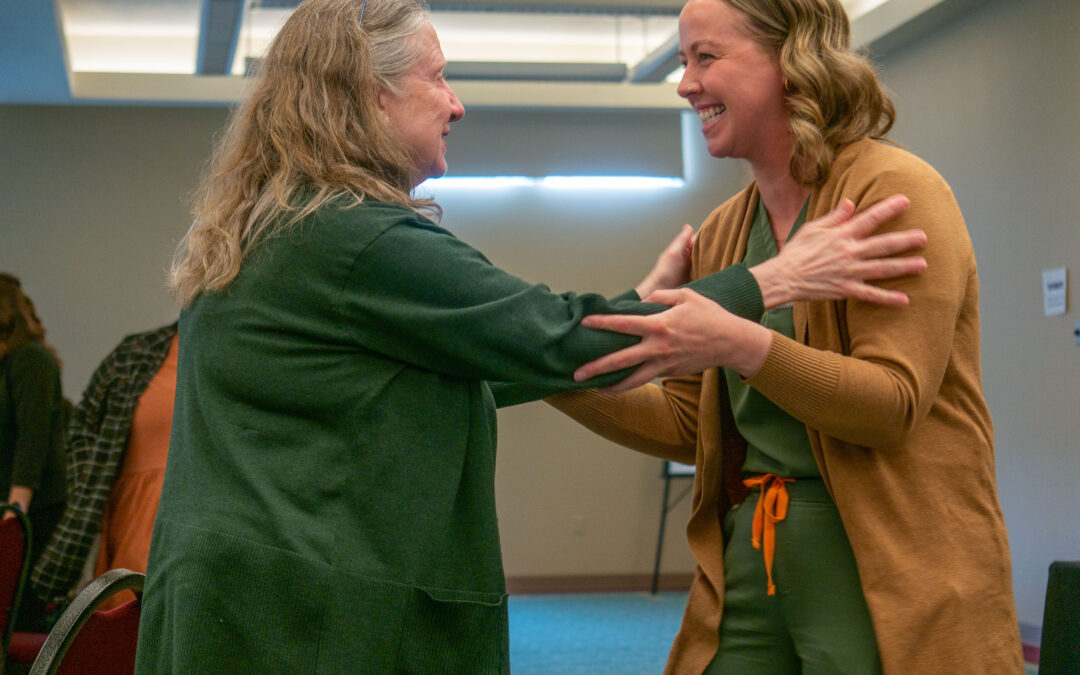
Uniting for Change: Building Strong Brains Coalition Gathers for Quarterly Meeting
The Building Strong Brains Coalition recently held its quarterly meeting at Goshen College on Tuesday, March 25, bringing together key partners and action team members dedicated to improving outcomes for young children and families in Elkhart County. The morning was filled with updates, discussions, and new initiatives aimed at driving positive change across the community.
Welcoming Remarks & Purpose
Kim Boynton, Director of the Building Strong Brains Coalition, welcomed participants and outlined the meeting’s agenda. The focus remained on celebrating collective wins, launching the Building Strong Brains FindHelp platform, and exploring new data from Visible Network Labs to enhance collaboration efforts. Boynton emphasized the coalition’s continued commitment to three core areas:
• Quality Early Learning Environments
• Community Supports
• Healthy Moms and Babies
She also acknowledged the need to address foundational issues like food and housing security to enhance the coalition’s impact. Reflecting on a previous meeting in October 2023, Boynton noted that lasting change requires working at three levels: explicit, semi•explicit, and implicit.
Celebrating Successes & Addressing Challenges
The coalition’s progress was bolstered by a $7.5 million grant from the Lilly Endowment (Lilly Gift VIII), awarded to the Community Foundation of Elkhart County to support the Building Strong Brains initiative over five years. As Boynton said, “This grant award is one of many affirmations that our collective work is building a strong foundation that will lead to improved outcomes for young children and families.”
Key initiatives highlighted during the meeting included:
• Healthcare Access: Regular meetings among healthcare leaders are helping to identify and address barriers to prenatal care access.
• Community Resource Navigator Cohort: A new effort aimed at better-connecting families with necessary resources.
• Fetal Infant Mortality Review: The Community Action Team component of this work will be part of the Maternal and Child Health Action Team’s ongoing work to improve outcomes for mothers and infants.
• Family Voice Project: Ensuring solutions are designed with direct input from parents and caregivers.
Introducing Findhelp
Brian Replogle, Assistant Director of Building Strong Brains, introduced the new Findhelp platform, designed to connect families to local resources more effectively. This tool aims to streamline access to services and enhance the coalition’s ability to respond to community needs.
Partner Contributions & New Tools
Several partners shared updates on their projects:
• Shin Yee Tan from Beacon Community Impact and The SOURCE introduced the Family Journey Consortium, which offers comprehensive services for birthing individuals and families.
• Natalie Evans from Crossroads United Way discussed Lantern, a tool offering resources and support for parents and caregivers.
• Patty Rose from Purdue University highlighted efforts to create safe, accessible indoor play spaces for children.
• Holly Decker from Geminis shared the success of the Family Child Care Network, which has engaged more home•based providers and improved care quality.
Building Toward Transformative Change
As Boynton noted, real transformation involves not just structural changes but also relational dynamics and shifting underlying beliefs. The coalition is working at all three levels:
• Structural Changes (Explicit): Policy adjustments, new programs, and improved resource allocation.
• Relational Changes (Semi-Explicit): Strengthening networks and improving collaboration across sectors.
• Transformative Changes (Implicit): Shifting mindsets and cultural narratives about what it means for children to thrive.
Looking Ahead
Despite the challenges, the coalition’s progress remains strong. The commitment to learning, collaboration, and relentless problem•solving continues to drive the work forward.“We have far to go on this journey, but we have accomplished a lot and we aren’t slowing down,” said Boynton.
Join us in this effort
Join Our Email List to Receive Updates or Get Involved
©2026 Building Strong Brains