
facebook

NEWS

Home 9 News
What Does a Family-Friendly Workplace Look Like in Elkhart County?

What Does a Family-Friendly Workplace Look Like in Elkhart County?

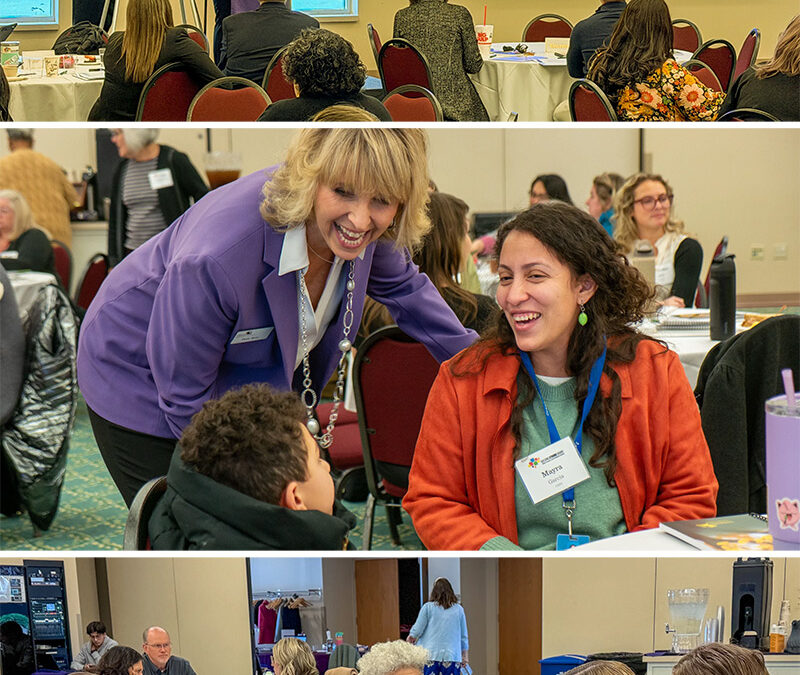
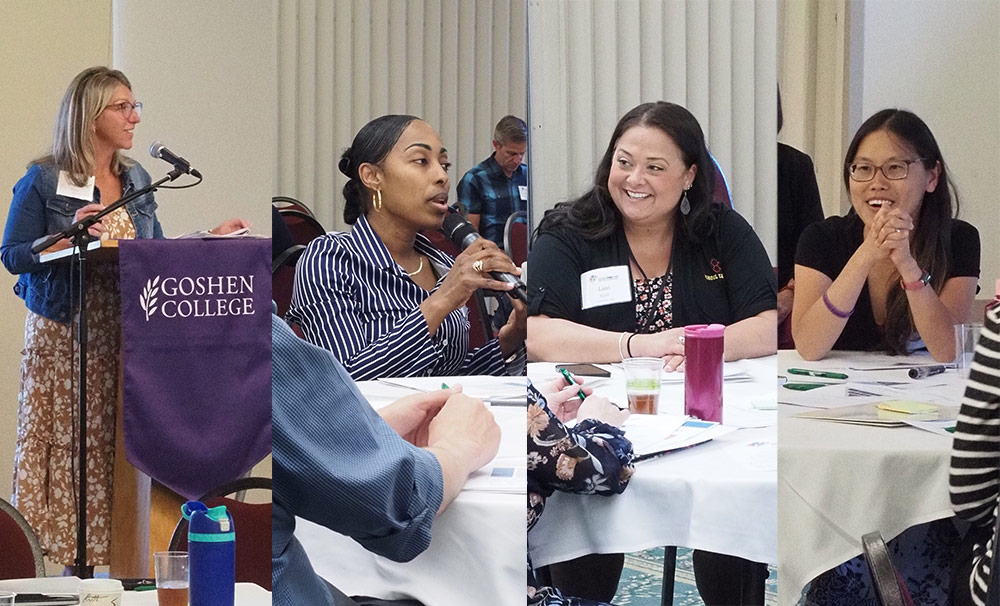
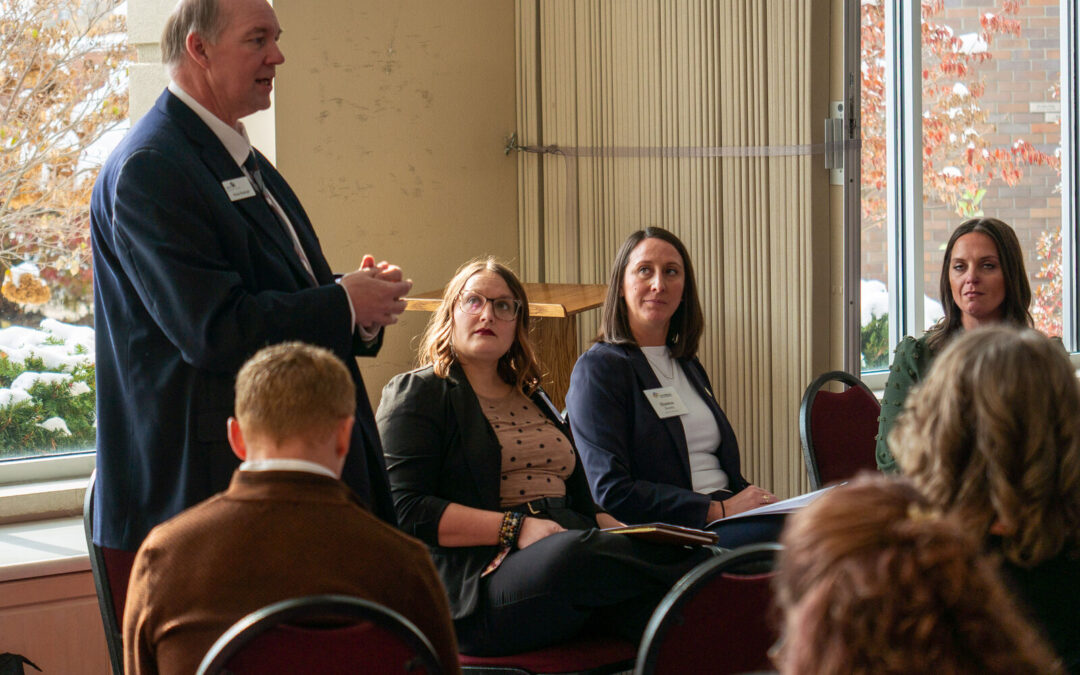
At the Building Strong Brains summit on November 11, about 40 people crowded into a breakout room to discuss something that often remains in the background: the intersection of work and family life in Elkhart County. The “Family Friendly Workplaces” session, moderated by Brian Replogle from Building Strong Brains and the Community Foundation of Elkhart County, brought together HR leaders from Lippert and Interra Credit Union, business owners, city and chamber staff, nonprofit leaders, and parents. For many in the room, it was the first time they had sat down across sectors to ask a basic question: what does a family-friendly workplace actually look like here?

Starting with safety instead of fear

One of the first comments named something that many feel but rarely say out loud. In a family-friendly workplace, employees do not spend their days in fear.
  • They are not afraid of losing points or being fired if they leave early to pick up a sick child.
  • They are not afraid to ask for time to pump breast milk.
  • They are not afraid to say, “I need an hour to deal with a family situation,” and be honest about why.
People acknowledged how hard this is, especially in factories and other places where work stops if a person is not at their station. The tension is real. At the same time, the cost of ignoring family pressures is also real. Stress, burnout, health issues, and turnover are costly for employers and distressing for families. HR leaders in the room described training managers in emotional intelligence, psychological safety, and Mental Health First Aid so they can notice when someone is struggling and connect them to support. When managers are equipped to see people as whole human beings, it improves culture and stability at work and at home.

Why paid leave matters for children

Paid parental leave came up quickly. Participants shared examples of policies that include mothers, fathers, and adoptive parents, and that let parents share time off in ways that work for their family. Those months before a child ever steps into a preschool classroom are exactly what we talk about in the HOPE Framework and in Building Strong Brains. How we structure leave policies is already shaping a child’s development long before kindergarten.

The childcare math that families face

Parents shared that they pay around $250 a week or more per child. That competes directly with rent, food, and medical bills. On top of that, Elkhart County has only a fraction of the childcare seats we need, so many families face long waitlists or long drives to centers across town. Participants named a few directions that might help, including deeper partnerships between employers and childcare centers, reserved or subsidized seats for employees, and cost sharing models where employers, families, and philanthropic or public dollars each carry part of the bill. For parents, that can mean the difference between an impossible weekly payment and something they can manage. Other Indiana communities are already experimenting with these ideas. Our task now is to learn from them and discover what fits the realities of Elkhart County’s employers and workforce.

Policies that people can actually use

Several stories made it clear that benefits only matter when people know about them and feel free to use them. One father of a child with significant disabilities described juggling surgeries and therapy appointments for 15 years before anyone mentioned that he was eligible for intermittent FMLA. When he finally learned about it, it changed his stress level and his ability to keep working. On the other hand, Interra Credit Union described how they created comfortable mother’s rooms at each location and trained managers to support parents who use them. The results have been happier parents, better reliability, and strong loyalty to the organization. Again and again, people returned to the same theme. Employees need clear information on short term disability, leave options, counseling and financial help, and they need a workplace culture that encourages them to ask questions without fear.

Family can mean many things

Participants reminded each other that family is not limited to young children. People are also caring for aging parents, adult children with disabilities, and relatives across generations, sometimes all at once. A family friendly workplace recognizes that employees may be responsible for babies, teens, grandparents, siblings, or others who depend on them, and that those needs change over time.

What comes next

No one left the breakout with a perfect definition of a family friendly workplace, but there was clear agreement that it is work we need to do together. For Building Strong Brains, this ties directly to our vision that children in Elkhart County are born to thrive and ready for kindergarten, which depends on adults having workplaces that support family life. If you are an employer, HR leader, parent, caregiver, or community partner, we would be glad to connect and keep this conversation moving. To join the conversation, contact Brian Replogle, brianr@inspiringgood.org, or Patty Rose, patty@inspiringgood.org.
A Deep Dive into Hope: The HOPE Framework with Jessica Herzog-Hall, MSW

A Deep Dive into Hope: The HOPE Framework with Jessica Herzog-Hall, MSW

A keynote from Jessica Herzog-Hall at the 2025 Building Strong Brains Summit explored how the HOPE Framework and Positive Childhood Experiences support resilience in children and families. Here’s what she shared—and how Elkhart County can apply these tools.

Introducing Jessica Herzog-Hall

Jessica Herzog-Hall is a trauma-informed educator focused on resilience and healing. She holds a master’s degree in social work from Indiana University and a graduate certificate in applied educational neuroscience from Butler University. She previously led the ACEs Indiana Coalition and now serves as chief executive officer of Together We Flourish LLC, helping communities strengthen well-being through Positive Childhood Experiences (PCEs) and the HOPE (Healthy Outcomes from Positive Experiences) Framework. On November 11, 2025, at the Building Strong Brains Summit at Goshen College, she led a keynote and workshop that offered clear, practical guidance for supporting children and families.

Imagining a World Anchored in Positive Experiences

Jessica encouraged the audience to imagine a community where positive experiences are recognized as essential to health. When schools, clinics, and service providers focus on strengths—alongside challenges—they build trust with families and support children in meaningful ways.

The Science Behind Positive Childhood Experiences (PCEs)

Jessica highlighted research showing how PCEs influence lifelong health. A 2015 Wisconsin study added seven PCE questions to the ACEs survey, asking whether individuals:

  • Could talk to a family member about feelings
  • Felt their family stood by them
  • Enjoyed community traditions
  • Felt belonging in high school
  • Felt supported by friends
  • Had two or more nonparent adults who cared
  • Felt safe at home

Mental health outcomes rose with each additional PCE:

  • 0–2 PCEs: 51% reported good mental health
  • 3–5 PCEs: 75%
  • 6–7 PCEs: 87%

Higher PCEs were also connected to better physical health, stronger employment outcomes, and reduced negative effects of adversity.

The Four Building Blocks of HOPE:

Relationships

Children grow in the presence of steady, caring adults. Strategies include:

  • Being a consistent supporter
  • Encouraging warm parent-child interactions
  • Helping families identify mentors, teachers, or coaches
  • Making space for moments of connection
  • Modeling healthy regulation

Environment

Safe, stable, and equitable spaces help children feel secure. Examples include:

  • Creating welcoming classrooms and programs
  • Addressing bullying and encouraging “up-standers”
  • Offering calming corners
  • Ensuring representation of all families
  • Connecting families with local resources

Engagement

Belonging fuels confidence and healthy development. Communities can support this by:

  • Asking children about their interests and celebrating them
  • Supporting involvement in after-school activities, clubs, or community centers
  • Encouraging family volunteering or creative projects
  • Connecting families with faith-based or community groups

Emotional Growth

Children need chances to practice emotional awareness and navigate conflict. Strategies include:

  • Helping children name and understand feelings
  • Allowing open-ended, child-led play
  • Teaching respectful conflict resolution
  • Practicing self-regulation and co-regulation

When the Brain Is Stressed: How Adults Can Help

Jessica explained how stress affects a child’s ability to reason. When overwhelmed, the brain shifts into survival mode and cannot access problem-solving skills. Instead of asking children to “calm down,” adults can support them by regulating themselves first. Helpful approaches include:

  • Sitting at the child’s eye level
  • Using a soft tone
  • Modeling slow breathing
  • Naming the emotion (“I see you’re upset”)
  • Offering calm reassurance

These practices help children recover emotionally and learn through connection rather than correction.

Tools for Self-Regulation

Jessica shared simple strategies that support both immediate calming and long-term resilience:

  • Breathing exercises
  • Sensory grounding methods
  • Mindfulness, meditation, or time in nature
  • Movement such as dancing or yoga
  • Anchoring objects or supportive people
  • Sour candy or cool water to help reset the nervous system

The Resilience Tree: A Simple Metaphor

Jessica used the image of a tree to describe resilience. Children grow strong when their roots—connection, safety, understanding, and positive experiences—are nurtured. These roots help them weather difficulties throughout life.

Why This Matters for Elkhart County

The HOPE Framework strengthens Building Strong Brains’ ongoing work to support early childhood brain development. When caregivers, schools, health providers, and community organizations use these tools, children gain more of the experiences that help them grow and belong. In practice, this includes:

  • Designing welcoming, inclusive spaces
  • Strengthening relationships across programs and neighborhoods
  • Creating meaningful opportunities for family engagement
  • Supporting emotional learning and self-regulation

Together, these approaches help build a community where children can flourish.

Next Steps: Putting HOPE Into Daily Practice

Jessica encouraged participants to try simple, consistent steps:

  • Identify supportive adults in each child’s life
  • Review spaces to ensure families feel represented and welcomed
  • Expand engagement opportunities for children and caregivers
  • Make room for play, gratitude, and movement
  • Practice adult self-regulation to strengthen co-regulation

In Closing

Jessica Herzog-Hall reminded us that hope is practiced—not wished for. Elkhart County’s Building Strong Brains coalition has already planted strong roots. With intention and partnership, we can continue building a community where every child has the experiences they need to thrive.

Supporting Parents in Elkhart County

Supporting Parents in Elkhart County

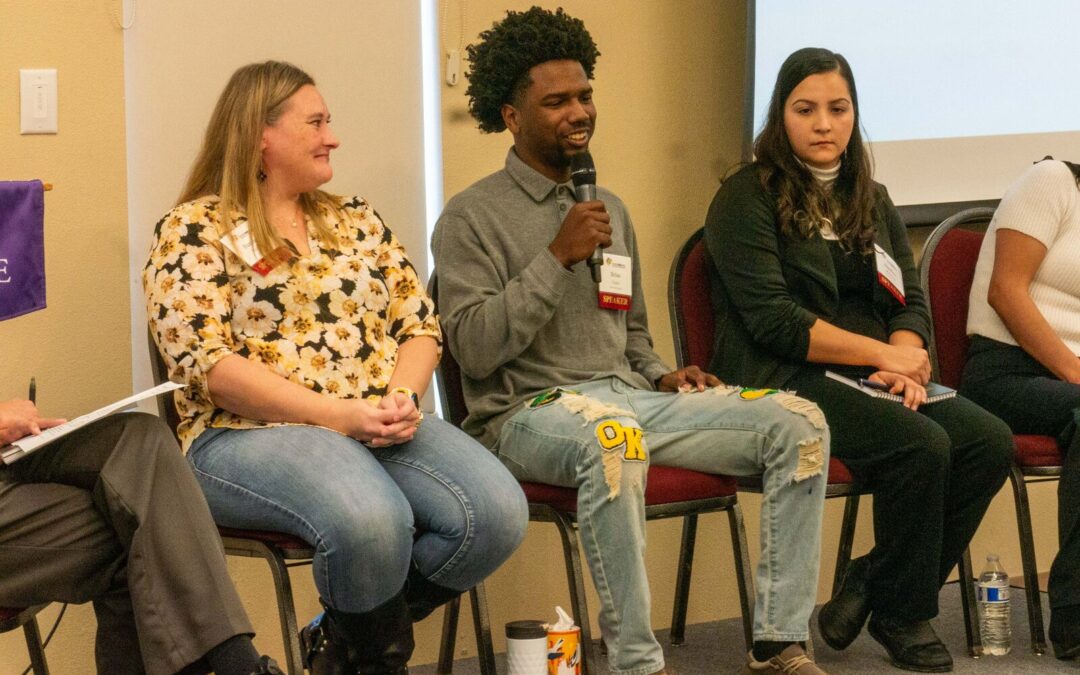
At the Building Strong Brains Annual Summit on November 11, eight parents took the stage and candidly discussed what it takes to raise children in Elkhart County today.

Moderated by Paul Shetler Fast, executive director of Maple City Health Care Center, the parent panel brought together families with very different stories—military and international backgrounds, longtime residents, and families who arrived in one hectic weekend, single parents and married couples, children with complex medical needs, and children waiting on evaluations.

What they shared was not neat or simple. It was real, layered, and full of both strain and hope.

The real challenges parents face

Summer described how she knew her daughter needed more time after preschool. When she asked for a chance to repeat kindergarten, she was told no.

“She just needed time and repetition,” she said.

After searching, she found a school willing to offer a transition year. The experience showed her that many children benefit from an intentional bridge between preschool and kindergarten—and that families often have to fight for it.

Starting over without a safety net

Brian discussed leaving the military as a single father and relocating to Indiana without knowing anyone.

“I didn’t know what I was going to do,” he said.

Within months, people from the community stepped in, remembered him from earlier events, and offered support that helped him and his daughter begin again.

Moving a family in a weekend

Josefina moved from Ohio to Elkhart with her children in a single weekend after a Friday job interview turned into a Monday start date.

“With no family here, just friends, I had to trust the process,” she said.

She now volunteers with nurturing care groups through CAPS to support other parents facing housing, financial, and mental health struggles.

Navigating medical and educational systems

For Erica, an immigrant parent, faced the challenge of a language barrier, however, the greatest challenge has been trying to move through both the health and education systems while facing long wait lists for autism evaluations and therapy.

“We’re helping our son learn English and Spanish,” she said. “And we’re learning how the systems work so we can support him.”

Grace, an international student who became pregnant during her junior year of nursing school, described the stress of navigating Medicaid enrollment, healthy pregnancy resources, and medical appointments.

“You have to know somebody to tell you where to start,” she said.

Sara shared the shock of learning that her newborn had a cleft palate, followed by sleep apnea and aspiration concerns. Maple City Health Care Center and specialists at Riley Hospital for Children guided her through each step.

The cost of parenting alone

Penelope spoke about the financial strain of single parenting without consistent child support.

“There are days when I’m up at night thinking, ‘How are you going to pay the next bill?’” she said.

Her background in finance helped her prepare for maternity leave, but childcare and legal costs continue to weigh heavily.

Wanting to work and wanting to be home

Katja, a nurse at Goshen Hospital, described the tension between wanting to be at home with her baby and wanting to continue her career.

“I want to do it all,” she said. “But the system doesn’t make that easy.”

Her family earns just above the limit for some forms of assistance, leaving them in a gap where help is hard to access.

Where parents found support and hope

As they shared their challenges, the parents also highlighted the people and organizations that helped them find their footing.

Organizations that opened doors

Brian pointed to three kinds of support that helped him transition out of the military: a local mission that helped him when he was experiencing homelessness, Triple P parenting programs that offered practical tools, and the Veterans Administration, which helped him adjust to civilian life.

Josefina called CAPS “the greatest thing that could ever happen in my life.” They provided car seats when her twins arrived early, as well as frozen meals, classes, and navigation of resources. “If they can’t supply something,” she said, “they connect you to the next best person.”

Erica said Oaklawn, Center for Healing & Hope, and Golden Steps helped her family move forward after her son’s diagnosis. She later helped start a Spanish-speaking parent group for families raising children with autism.

Grace named WIC, her church, CAPS classes, and Triple P among her strongest supports.

“You can find help, but you have to gather it from many places,” she said.

Sara shared how Maple City Health Care Center’s pregnancy group gave her community before birth, and how Riley Hospital for Children made care easier by coordinating multiple specialists in one visit. WIC’s wellness program also provided check-ins throughout pregnancy and beyond.

Penelope discussed pouring her energy into various classes and support programs, including the Women’s Care Center, RETA, the Family Resource Center, Nurse Family Partnership, WIC, Healthy Families, and Healthy Babies. Her weekly writing class at RETA became a source of relief and connection.

Katja said that Penelope became one of her greatest resources, sharing what she learned and connecting her with programs that helped her navigate her daughter’s hemangioma diagnosis.

Words of Advice From the Parents

Paul closed with a simple lightning-round question: What advice would you give to someone starting out?

Their answers were clear:

  • Trust your instincts and speak up for your child.
  • Ask for help, even when it feels uncomfortable.
  • Build several support systems, not just one.
  • Have courage, even when the process is slow or complicated.
  • Prepare yourself mentally and pause for a moment to gather your resources.
  • Allow yourself to grieve when things do not go as expected.
  • Don’t let ego get in the way of reaching out.
Listening to parents, strengthening our community

The parents who spoke at the Building Strong Brains Annual Summit and participated throughout the day showed what strength looks like in everyday life. They described the challenges they face, the people who support them, and the ways they continue to move forward through uncertainty.

Their stories are guiding Building Strong Brains as we work with partners across the county to improve access to early childhood resources, reduce fragmentation, and make it easier for families to find the support they need.

Elkhart County is home to numerous individuals and organizations eager to lend a hand. When parents are heard, supported, and connected, children grow up in stronger, steadier homes—and the entire community benefits.


Building a Culture of Hope: Highlights from the 2025 Building Strong Brains Summit

More than 100 educators, caregivers, health professionals, parents, policymakers, and community partners gathered at Goshen College on November 11 for the second annual Building Strong Brains Summit. After more than three years of coordinated, countywide collaboration, the coalition came together once again to learn, connect, and strengthen its shared commitment to helping every child in Elkhart County be born to thrive and ready to learn.

This year’s theme, ‘Building a Culture of Hope,’ was illustrated throughout the day by speakers, interaction among attendees, and a celebration of the joint work.

Dr. Kim Boynton’s Remarks: Helping children thrive

 Dr. Kim Boynton, BSB’s director, opened the summit with a heartfelt and science-grounded reflection on the importance of early childhood. She reminded attendees that the first years of life shape the architecture of a child’s brain and that every smile, soothing word, and moment of safety contributes to long-term well-being.

Kim is leaving her role as coalition director at the end of 2025 to pursue a role in higher education. As she opened her final summit as director, she emphasized that consistent, responsive care doesn’t just help children survive—it helps them thrive. These early interactions shape not only individual development, but also the long-term health of our community.

Kim also spoke about hope as a learnable, measurable practice, not simply an emotion. When hope is woven into professional practice—classrooms, clinics, homes, and community programs—children and families begin to see possibilities for their future.

A story she shared illustrated this beautifully. A student who struggled with trust spent months testing limits in school. His teacher remained steady, greeting him by name each morning and ending each day with, “I’ll see you tomorrow.” Eventually, he told his mother, “I have to go. My teacher is waiting for me.” That quiet moment captured the essence of what this work is about.

Reflecting on her time leading the coalition, Kim noted the strong partnerships built, the research translated into action, and the shared language now shaping community practice. As she steps down, she expressed confidence that the next phase of Building Strong Brains will deepen relationships and reach more families across Elkhart County.

Dr. Jessica Herzog-Hall’s Keynote: HOPE Framework

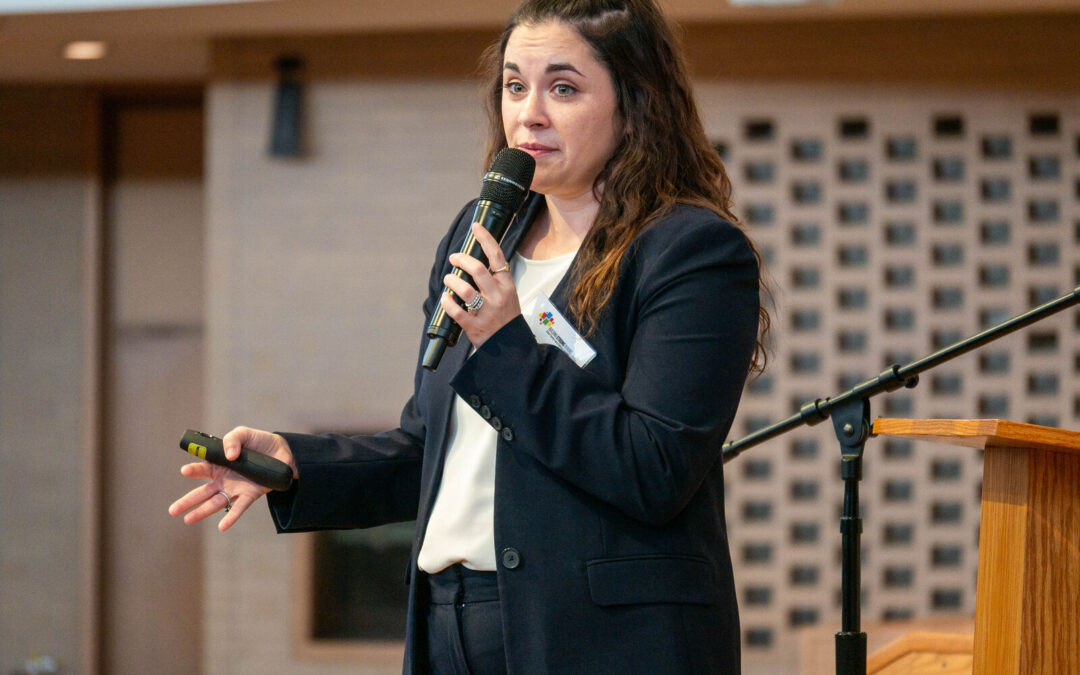
Dr. Jessica Herzog-Hall led an interactive workshop focused on the HOPE (Healthy Outcomes from Positive Experiences) Framework, offering a research-based look at how Positive Childhood Experiences (PCEs) strengthen lifelong resilience. Herzog-Hall, a trauma-informed educator, walked participants through the four building blocks of HOPE: relationships, environment, engagement, and emotional growth. She shared practical tools for co-regulation, self-regulation, and building supportive connections with children and families. Her workshop illustrated how simple, everyday practices can nurture well-being and counteract the effects of adversity, giving attendees strategies they can use immediately in their organizations and communities.

Breakout Sessions: Putting Ideas Into Practice

Throughout the afternoon, attendees participated in breakout sessions facilitated by local partners and practitioners. These sessions focused on practical strategies for nurturing hope, strengthening relationships with families, and applying brain science in daily interactions with children.

Breakout discussions were lively and collaborative, with participants sharing what they’ve learned in their own organizations and exploring new opportunities to work together.

Dr. Amber Selking’s Keynote: The Power of Mindset and Belief

The afternoon keynote was delivered by Dr. Amber Selking, whose work focuses on performance psychology, motivation, and the science of belief. She spoke about how communities can build cultures where children see themselves as capable, valued, and supported.

Her message reinforced the summit’s theme: hope grows when caring adults create environments that foster safety, encouragement, and trust for children. She offered practical insights on how mindset and connection influence resilience, and how every interaction—big or small—helps shape a child’s sense of what is possible.

Moving Forward Together

The 2025 summit affirmed the strength and momentum of the Building Strong Brains coalition. With insights from both keynote speakers, hands-on learning in breakout sessions, and the participation of partners from across the county, the day reinforced a shared vision for helping all children grow in environments filled with safety, connection, and possibility.

A Heartfelt Thank You to Our Planning Committee

As we reflect on the tremendous effort behind Building a Culture of Hope, we want to extend our deepest appreciation to our dedicated planning committee. This event would not have been possible without the passion, collaboration, and unwavering commitment each member brought to the table.

From shaping the vision to refining the details, the committee poured countless hours into creating a meaningful experience for our community. Their thoughtful insights, creativity, and determination ensured that every element of the summit reflected our shared mission: to uplift young children, strengthen families, and build a culture rooted in hope and resilience.
To our planning committee—thank you for your leadership, your teamwork, and your belief in the power of this work. Your contributions made this summit not only successful but truly inspiring.

Planning Committee Members: Paul Fast, Maple City Healthcare; Natalie Buroker, Crossroads United Way; Leah Plank, HEA/Triple P; Shin Yee Tan, Oaklawn; Vonnie Trumble, Community Foundation of Elkhart County; and Brian Replogle, Patty Rose, and Holly Landis, who are Building Strong Brains staff members.


Building Strong Brains Annual Summit

The Building Strong Brains Coalition invites parents, partners, and community members to gather for our Annual Early Childhood Summit. Together, we’ll explore how positive experiences build resilience and shape the future for children and families across Elkhart County.

Event Details

Date: Tuesday, November 11, 2025
Time: 8:30 a.m.–3:00 p.m.
Location: Goshen College Fellowship Hall, 1900 S. Main St., Goshen, IN 46526

Breakfast and lunch provided. Registration is open.

Keynote: Jessica Herzog-Hall

The HOPE Framework (Healthy Outcomes from Positive Experiences)

Jessica Herzog-Hall, MSW, is a trauma-informed leader and educator dedicated to advancing community resilience and healing. She earned a master’s degree in social work from Indiana University School of Social Work in 2021 and holds a graduate certificate in applied educational neuroscience from Butler University. As director of the ACEs Indiana Coalition at the Indiana Youth Services Association, Herzog-Hall led statewide initiatives to educate, equip, and unite organizations around adverse childhood experiences and the science of resilience. She now serves as chief executive officer of Together We Flourish LLC, expanding her mission to help communities thrive by promoting positive childhood experiences and the HOPE (Healthy Outcomes from Positive Experiences) Framework as tools for lifelong well-being. She is a certified ACE Interface master trainer, a healing-centered engagement practitioner, and trained in mind-body medicine. Herzog-Hall is deeply committed to equipping communities with the knowledge and practices needed to build trauma-informed, resilient, and HOPE-centered environments.

Key Takeaways:

  • Ordinary interactions, like consistent caregiving and community support, can have extraordinary impact.
  • HOPE shifts the focus from deficits to strengths, highlighting what helps children thrive.
  • The framework is practical and applicable across healthcare, education, child welfare, and community services.
  • Attendees will leave with tools to embed HOPE principles into their daily work, creating environments that foster connection, belonging, and emotional safety.

Parent Panel

The voices of parents and caregivers will take center stage in this powerful session. Panelists will share their lived experiences, challenges, and the supportive relationships that helped their families thrive. Their stories will bring the HOPE Framework to life, reminding us of the importance of resilience and community.

Breakout Sessions

– HOPE Framework Deeper Dive
Jessica Herzog-Hall, ACEs Coalition Director
A chance to go deeper with the keynote speaker, exploring practical ways to apply HOPE principles in different settings.


– The ABCs of Infant and Early Childhood Mental Health: Attachment, Brain-Building, and Community
Cassie Eberly, Infancy Onward
Learn how attachment, healthy interactions, and community-wide supports shape infant and early childhood mental health.


– Family Friendly Workplaces in Elkhart County
A collaborative discussion on developing a family friendly workplaces in our community. This proposed initiative focuses on:

  • Supporting pregnant employees in accessing timely prenatal care.
  • Creating supportive return-to-work environments for new mothers.
  • Empowering fathers to take part in their children’s health care.

Participants will help shape strategies to promote a culture of HOPE and family well-being across workplaces in Elkhart County.


– Closing Keynote: Dr. Amber Selking – Building Championship Mindsets

Dr. Amber Selking, performance psychology expert and founder of the Selking Performance Group, will close the summit with an inspiring keynote on the power of mindset and resilience. Drawing on her work with elite athletes and Fortune 500 leaders, Dr. Selking will share practical strategies to:

  • Cultivate mental toughness.
  • Lead with purpose.
  • Build cultures of excellence.

Her message will empower us all to raise strong, resilient children and create communities where families thrive.


Continuing Education

Participants can earn 3 hours of CEUs (Keynote, Parent Panel, and Breakouts) offered by:

Welcome Our New Staff Members

Patty Rose serves as the Assistant Director of Early Childhood Health and Community Supports for the Building Strong Brains Early Childhood Initiative. In this role, she works closely with Coalition leadership to lead and advance maternal and child health efforts, facilitate action teams, and strengthen community engagement throughout Elkhart County. Patty brings more than a decade of experience from Purdue University’s Regenstrief Center for Healthcare Engineering, where she supported communities across Indiana in reducing health disparities and improving outcomes. Earlier in her career, she worked in Health IT at Goshen Physicians and is a Certified Community of Change/Strategic Doing Practitioner, skilled at tackling complex challenges through collaboration.

Holly Landis is the Operations Coordinator for the Building Strong Brains Coalition, partnering with the team to keep daily operations running smoothly and effectively. Holly holds a bachelor’s degree in biology from Indiana University and an MBA from Indiana Wesleyan. Her professional experience includes serving as Town Manager for Wakarusa, working in engineering services at Zimmer Biomet, and providing customer service support at Everence Financial. She also contributes her time as a board member for The Center, reflecting her commitment to supporting community well-being.

With Patty’s arrival, Brian Replogle’s role will shift to focus on quality childcare and early learning environments. That’s a big job to tackle a big issue as we change this system together. That action team is busy and we are thrilled that Brian can focus on these issues

Welcome Patty and Holly!

Supporting Families, Finding Resources

The launch of Findhelp was successful and continues to expand into Elkhart County. Initial data indicates a successful launch and growth in resource connections.

Findhelp.org is a web portal that simplifies easily searching for local community programs that offer free and reduced-cost services, helping support individuals with living a healthier life. To learn more, visit Building Strong Brains Findhelp.

The data below is exciting, but even more exciting are the stories we are hearing about how this information is being used to help others. If you have such a story, reach out to Brian Replogle at brianr@inspiringgood.org.

Quarterly Convening Recap

Building Strong Brains partners gathered June 10 at the Goshen College Fellowship Hall for the quarterly convening. The meeting brought together more than 70 participants to reflect on recent progress, share insights, and plan for the work ahead to help every child in Elkhart County thrive.

Updates highlighted the ongoing efforts of the Family Voice team, which continues to elevate parent and caregiver perspectives in shaping early childhood priorities. The new cohort of community resource navigators, representing 11 partner organizations, was also recognized. These navigators will provide valuable information about the challenges families face and help strengthen connections to resources.

During the working lunch, participants took part in a collective storytelling session, sharing examples of progress and opportunities within the coalition’s shared work.

Partners left the convening with a renewed sense of purpose and connection, ready to continue working together to build a stronger early childhood system for all families in Elkhart County.

Lilly GIFT VIII Projects Launched

Thanks to the generous GIFT VIII funding awarded by Lilly Endowment in December 2024 and the dedication of BSB partners, several new collaborative projects are launching in spring and summer 2025, building on the many efforts already in progress.

Head Start Boot Camp
This eight-week summer program focused on kindergarten readiness skills for children who remain on the Head Start waitlist in May and will enter kindergarten in the fall. This program launched in May and expects to serve about 100 children, with priority for families living in the 46516 and 46528 zip codes. Learn more: http://headstartesj.com/

Nurturing Care Groups
This approach builds on community strengths and lived experience by engaging parents and caregivers as volunteers to offer education and support. Volunteers share information about child health, safety, connection, and maternal well-being, creating a supportive network for pregnant women, new parents, and caregivers. Learn more: https://capselkhart.org/nurturing-care-groups/

Community Resource Navigator Cohort
This initiative expands resource navigation services for families in communities with the greatest needs, focusing on the 46516 and 46528 zip codes. A shared learning agenda helps gather information about what helps or hinders families in getting support. Read more below about this cohort launched in May 2025.: https://buildingstrongbrains.net/

Case Management
Expanded case management supports families with children from prenatal to age 2. The goal is to increase prenatal visits, provide safe sleep education, reduce low and very low birth weights, and offer breastfeeding support. Learn more: https://elkhartcountyhealth.org/services/healthy-beginnings/

Early Childhood Mental Health Services
This effort expands direct mental health services for young children at risk of removal from preschool programs. It includes training and consultation for childcare staff, along with direct support for families through mental health guidance and resource navigation. Learn more: https://thesourceelkhart.org/

Driving Action for Impact

On May 14, 2025, BSB launched a cohort of 25 community resource navigators representing 11 partner organizations. These front-line navigators will share insights about the challenges young parents face, highlight resources that help address those challenges, and document gaps between what families need and what is currently available. This group will meet monthly to choose training topics, exchange tips, and learn from one another.

Information and ideas from this project will be shared across the coalition, and action teams will be encouraged to explore ways to address the gaps that emerge. RETA and Goshen College will help facilitate the monthly gatherings.

We are grateful to the dedicated individuals and organizations who have committed to this work. Their time and expertise will help strengthen our shared efforts to support young children and families in Elkhart County.


Join us in this effort

Join Our Email List to Receive Updates or Get Involved

©2025 Building Strong Brains